
Start in a classroom, finish in a control room
Half your time on product engineering, half on whatever you want to be doing after you graduate. By month three the goal is that we trust you in front of an airline on your own.
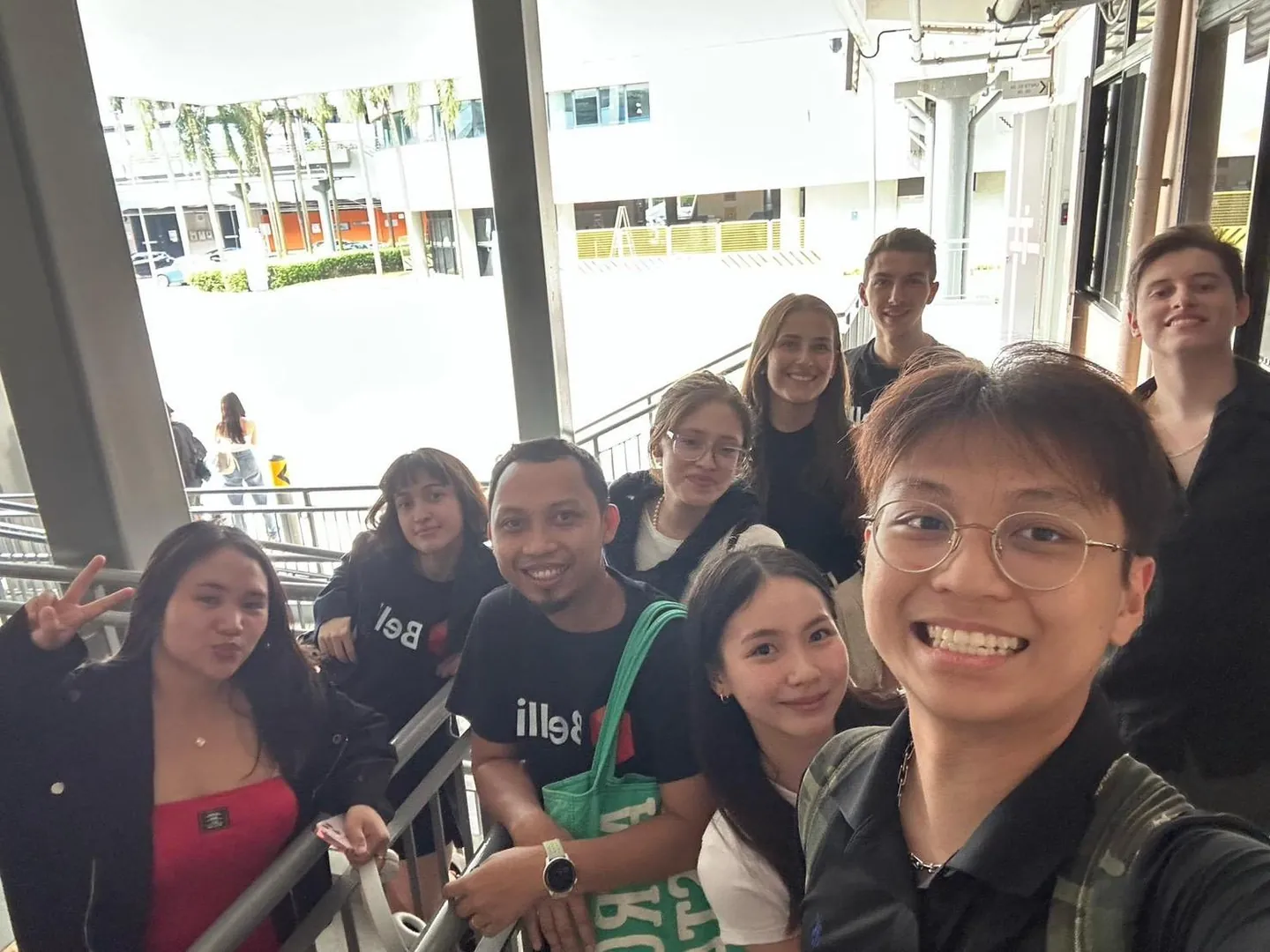
Based in Singapore, roughly August to December. Most associates join through the NUS Overseas Colleges programme.
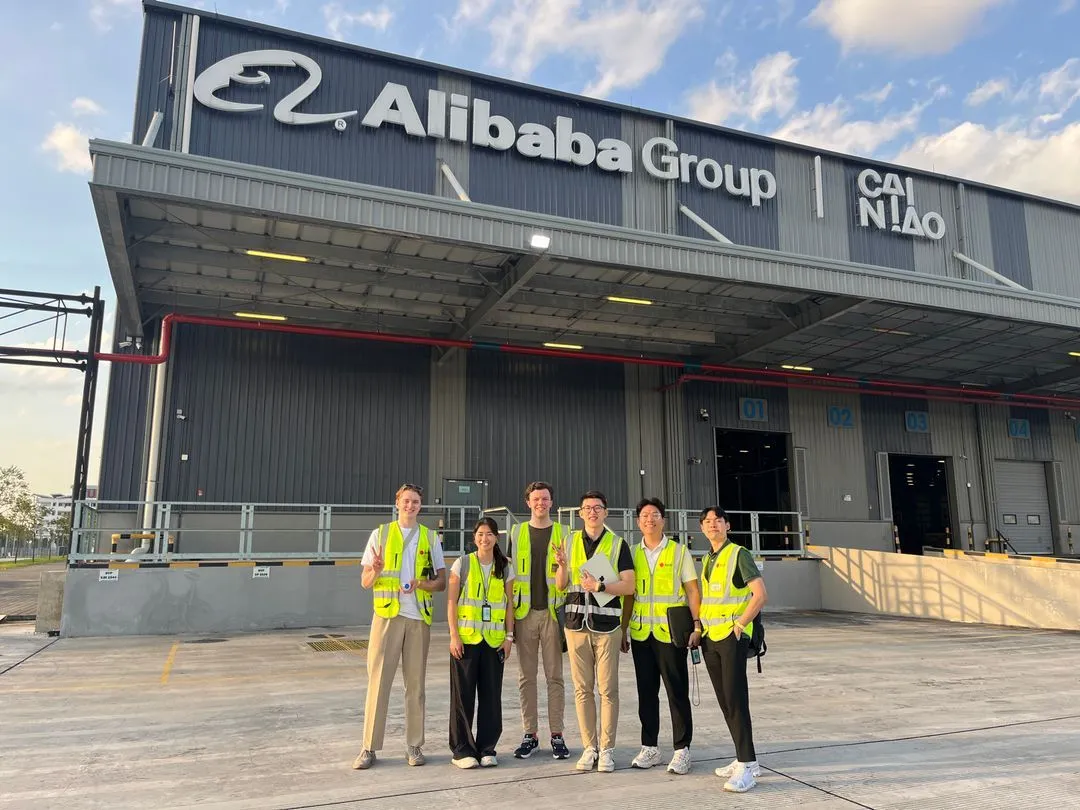
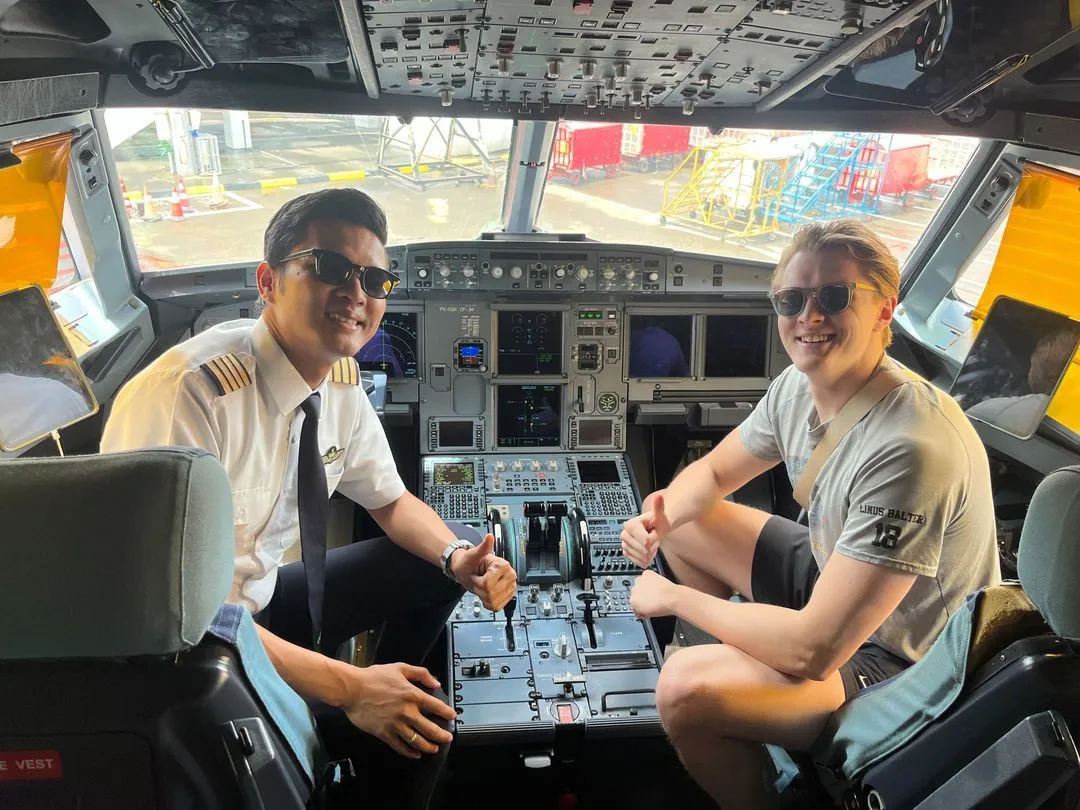
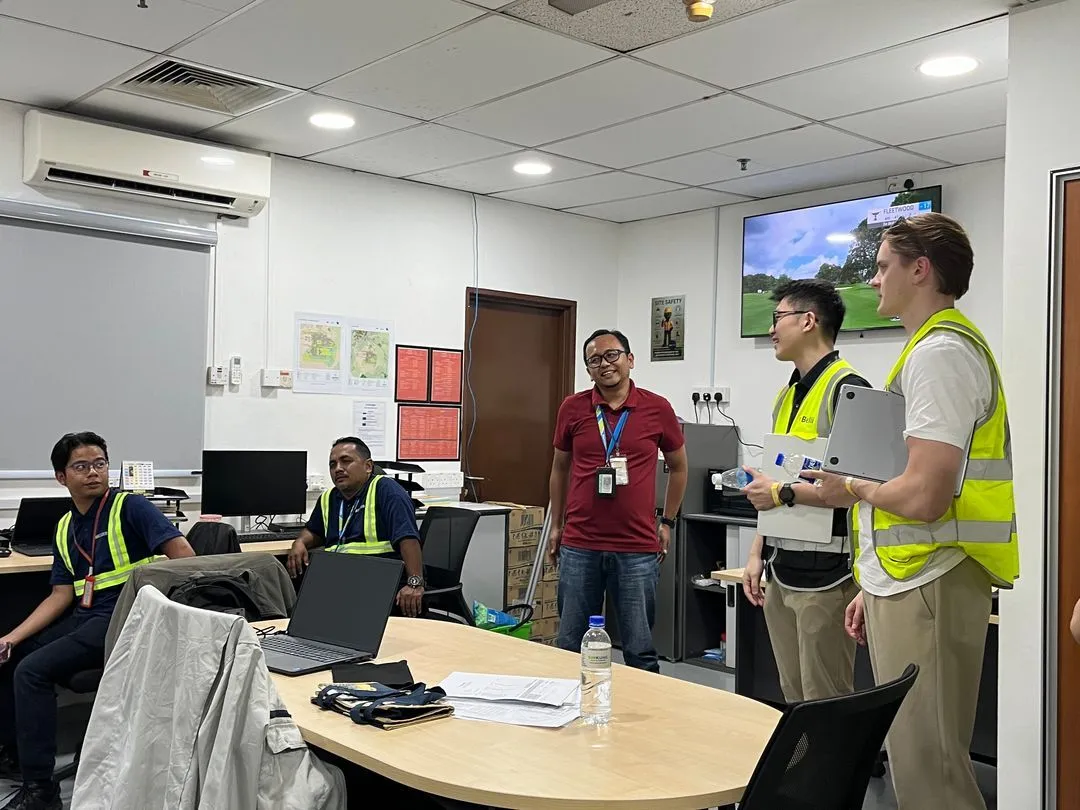
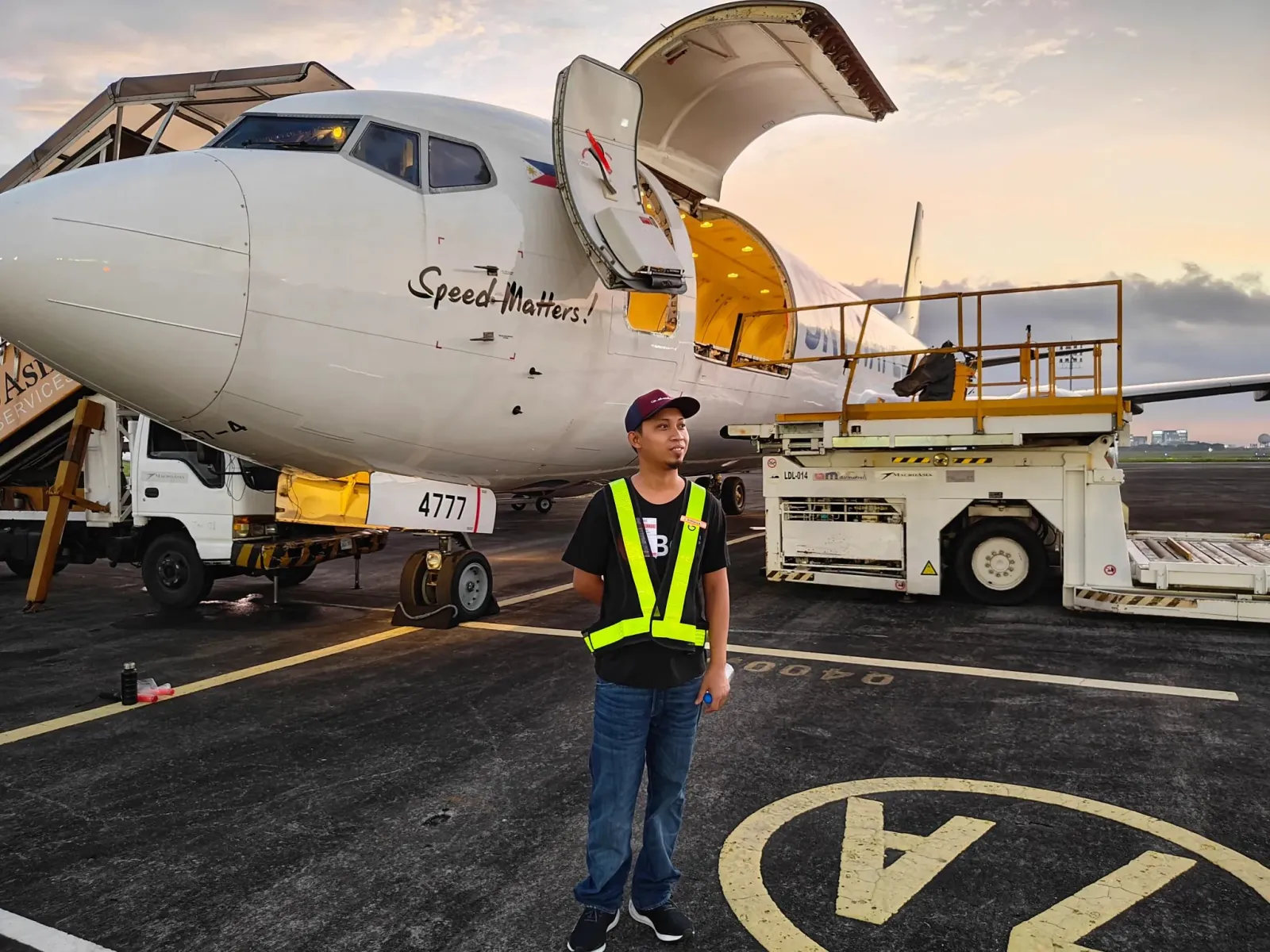
The office is usually somebody else's warehouse
We are in the co-working space one or two days a week. The rest of the time we are wherever the airline is.
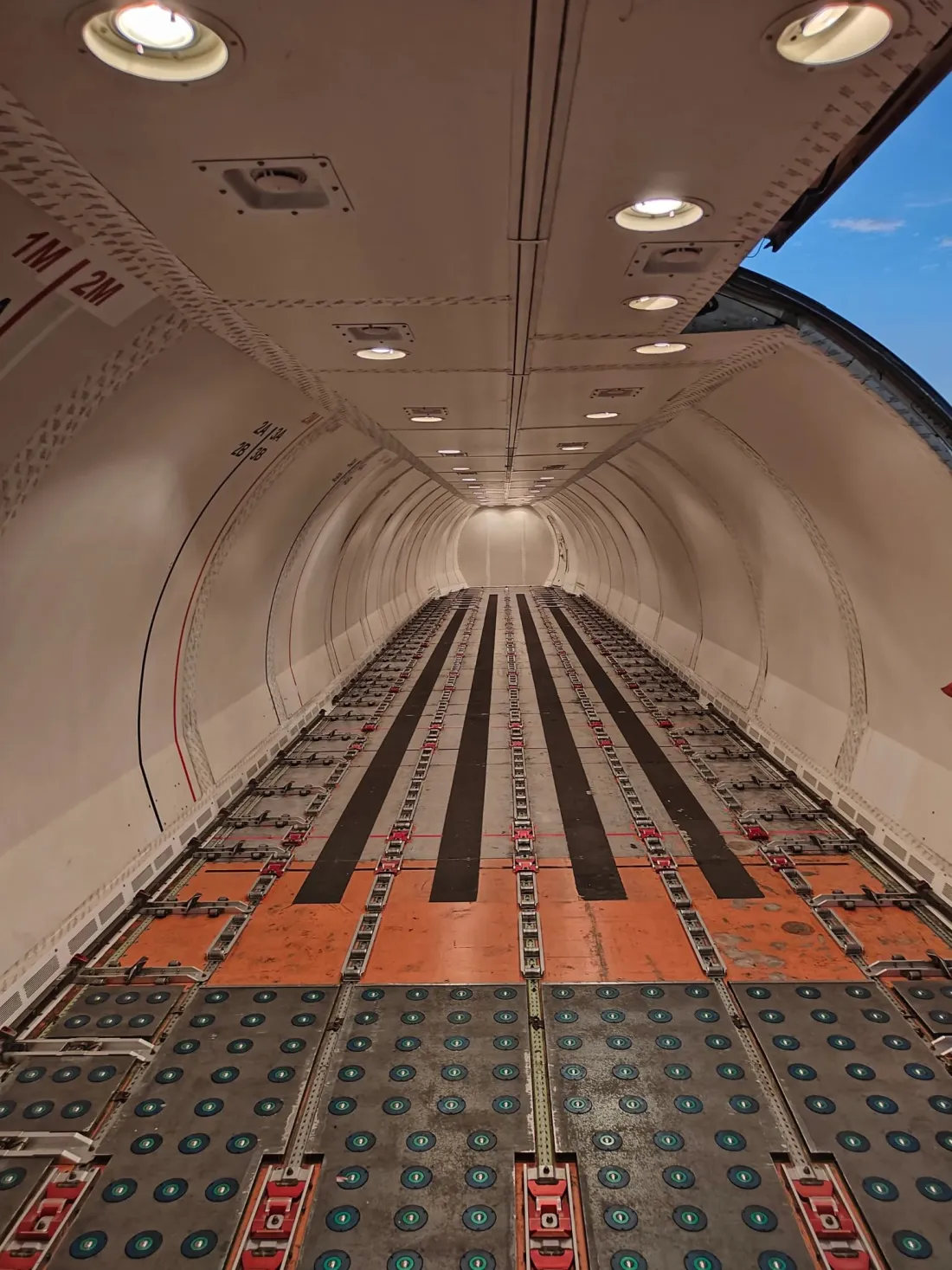
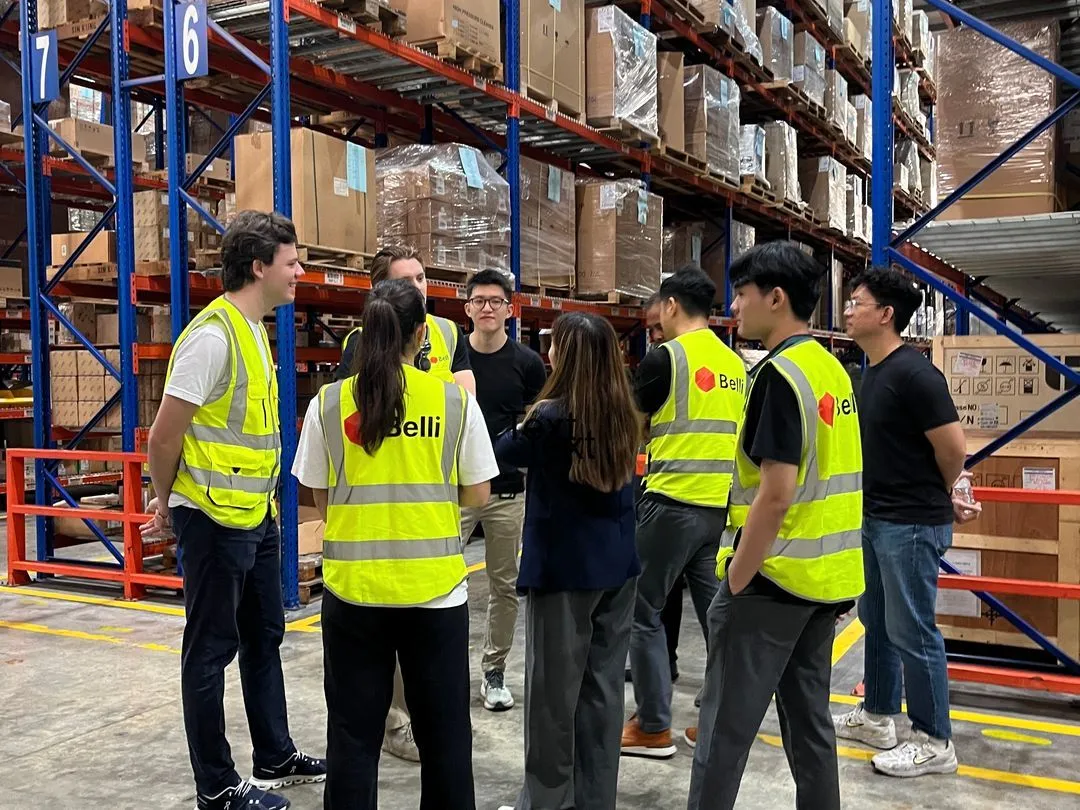
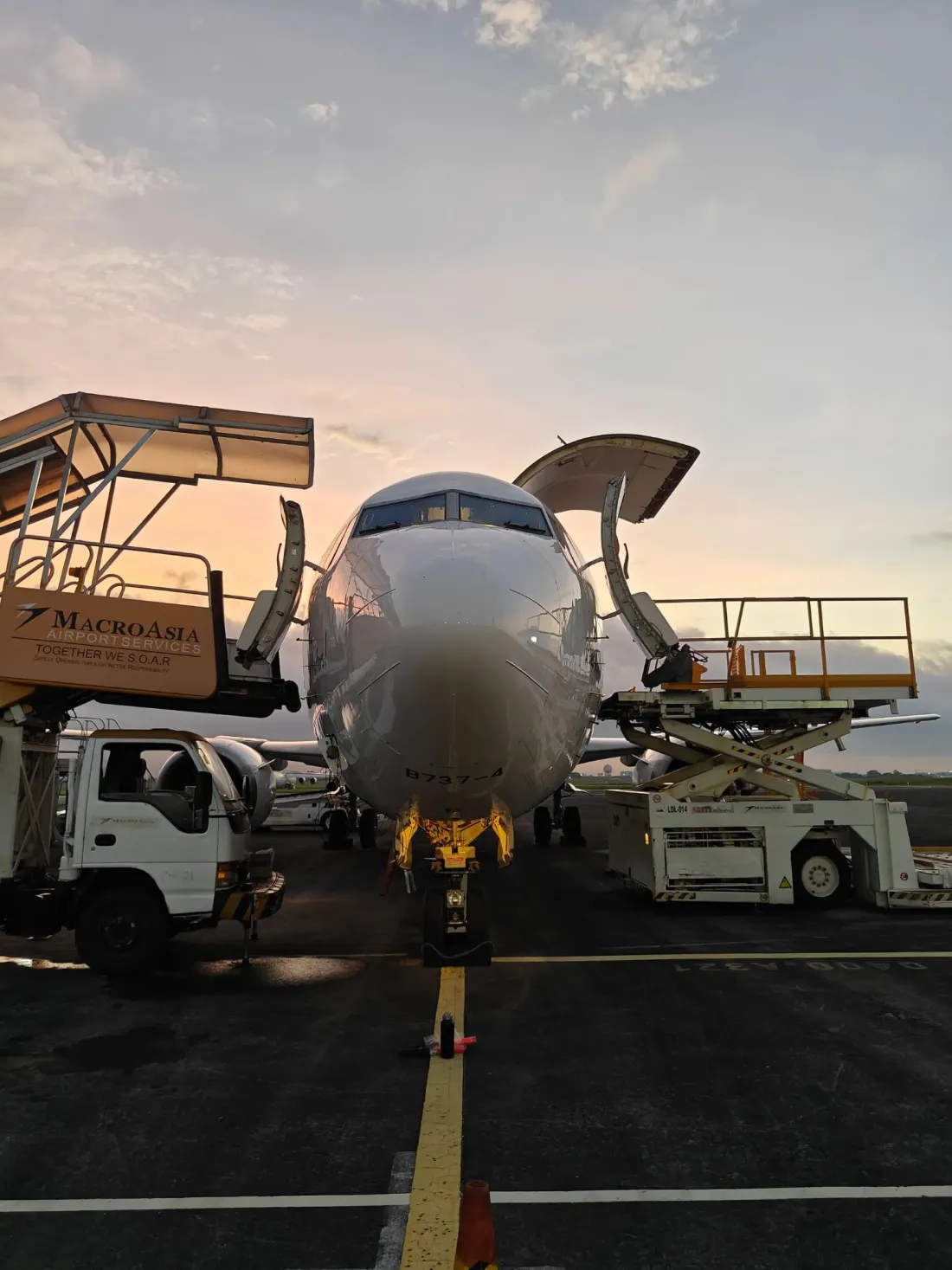
What you would work on
What you want to do
Tell us what you want to be doing after you graduate and we point a project at it. Finance gets you modelling work, software engineering gets you coding projects.
Product engineering
An engineer writes code and rarely talks to customers. A product manager does the reverse. This is both: a lot of time with airlines and a hand in building what they asked for.
Our first goal is an airline that is happy with us, and some of that work is not software. One associate rewrote the macros in a customer's spreadsheet. Jeff has redone a cargo manager's slides the night before they went in to see their boss.
How you should be tracking
You get feedback regularly, so you know whether you are ahead of this or behind it rather than guessing.
- Month 1Learn the basics
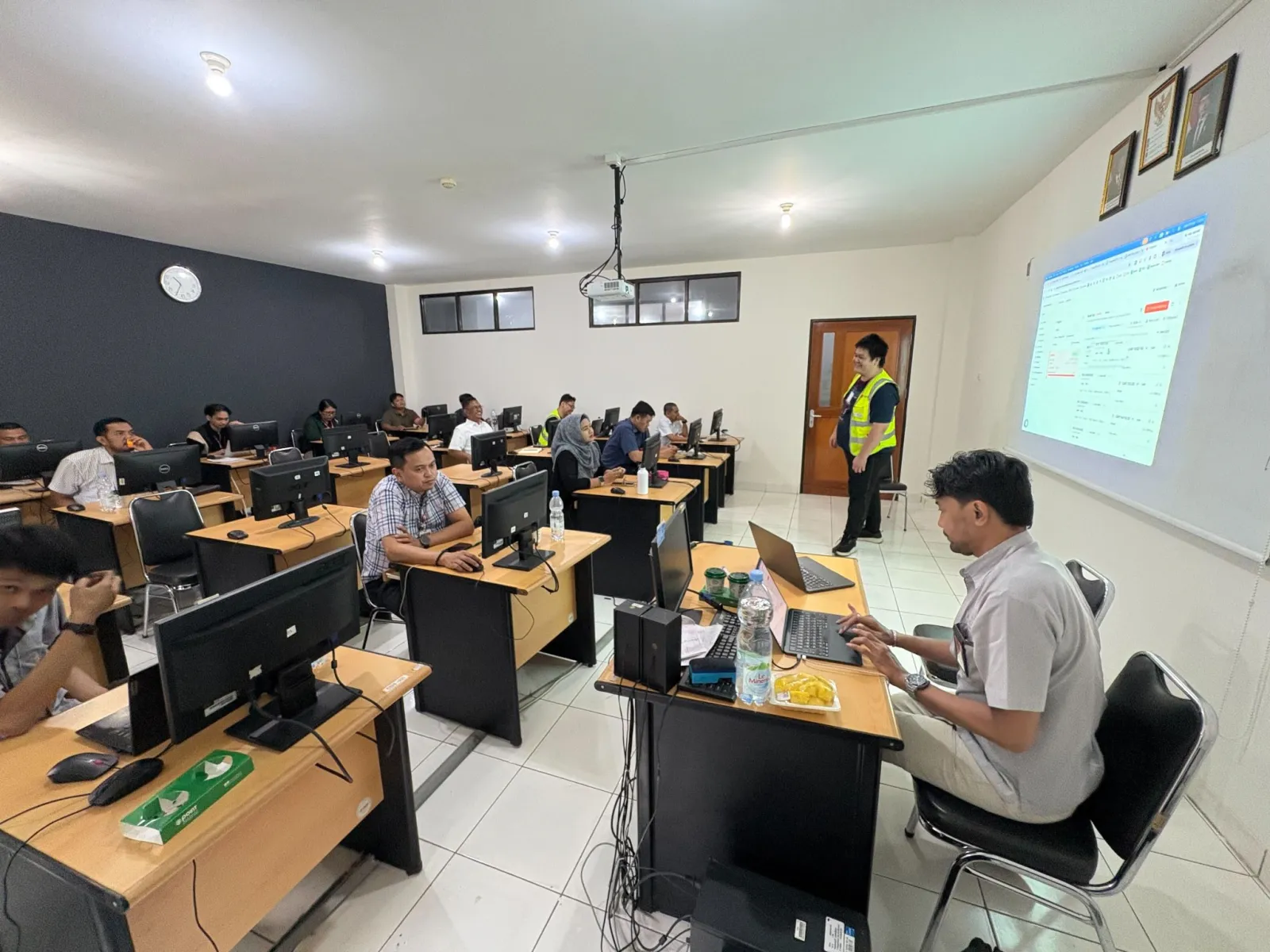
Two weeks of systems onboarding in a classroom: the tools, the app and how air cargo works. The rest of the month is ramping up.
- Month 2Velocity and creativity
Finishing projects quickly, improving the workflows you were taught in month one and documenting without being asked.
- Month 3Airline facing
Enough trust for us to put you in front of an airline, working face to face with the people who run its cargo.
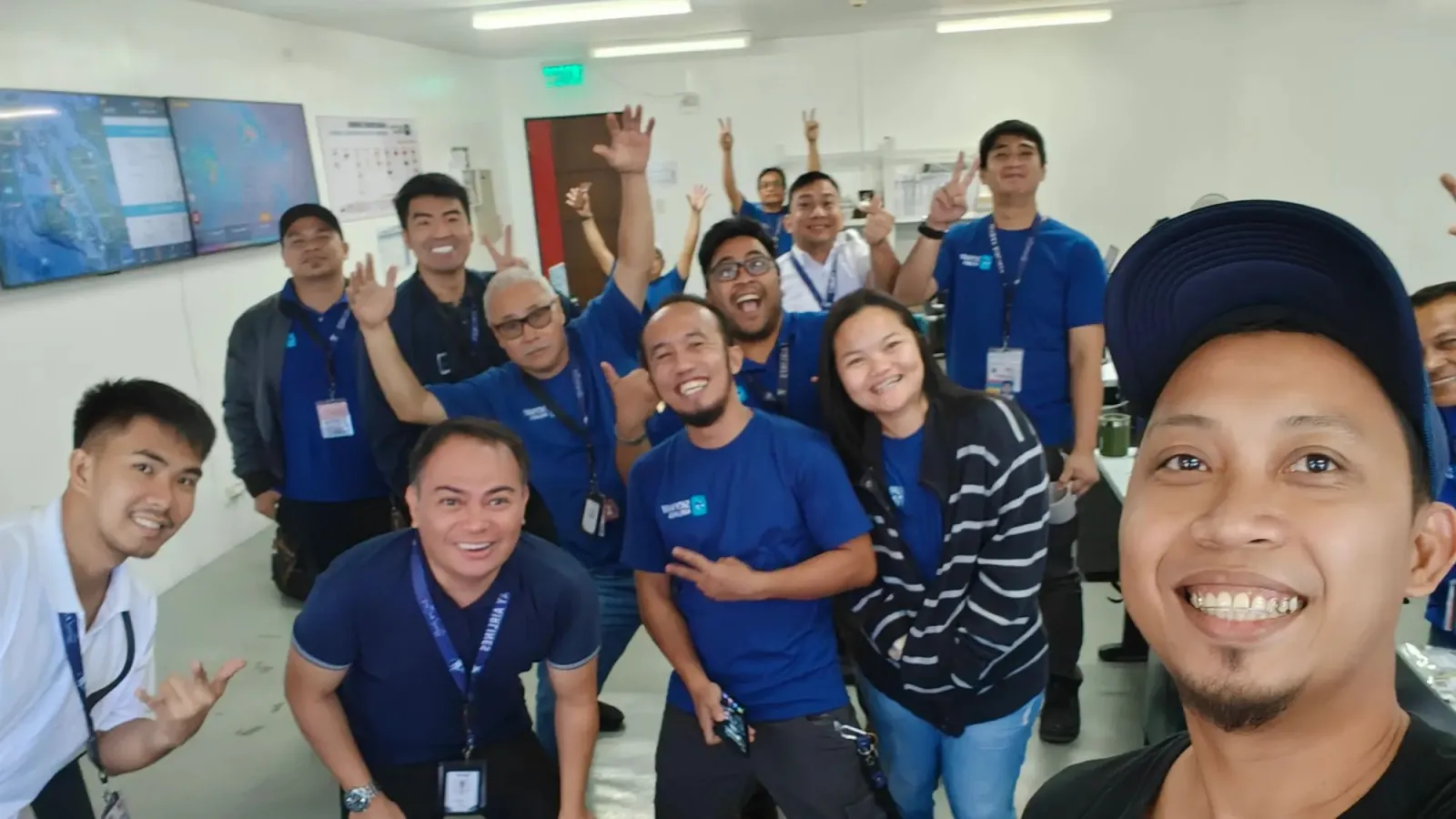
“Jeff asked me to come with him for a moment and together we headed to the Raya Airways control room (called aquarium), where he showed me the flight control dashboard. And here I am, working on my first project: improving that dashboard.”
You will probably travel
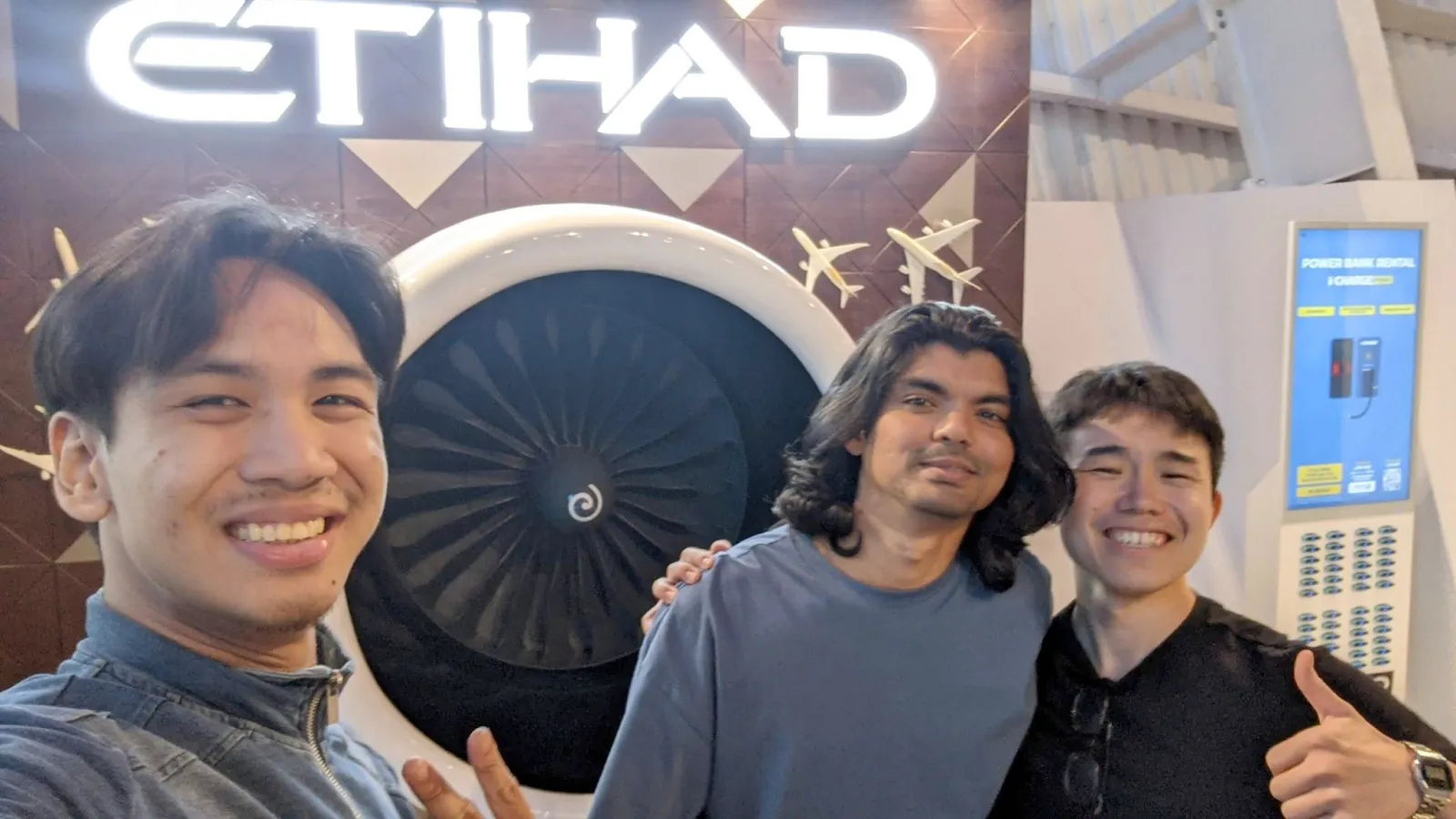
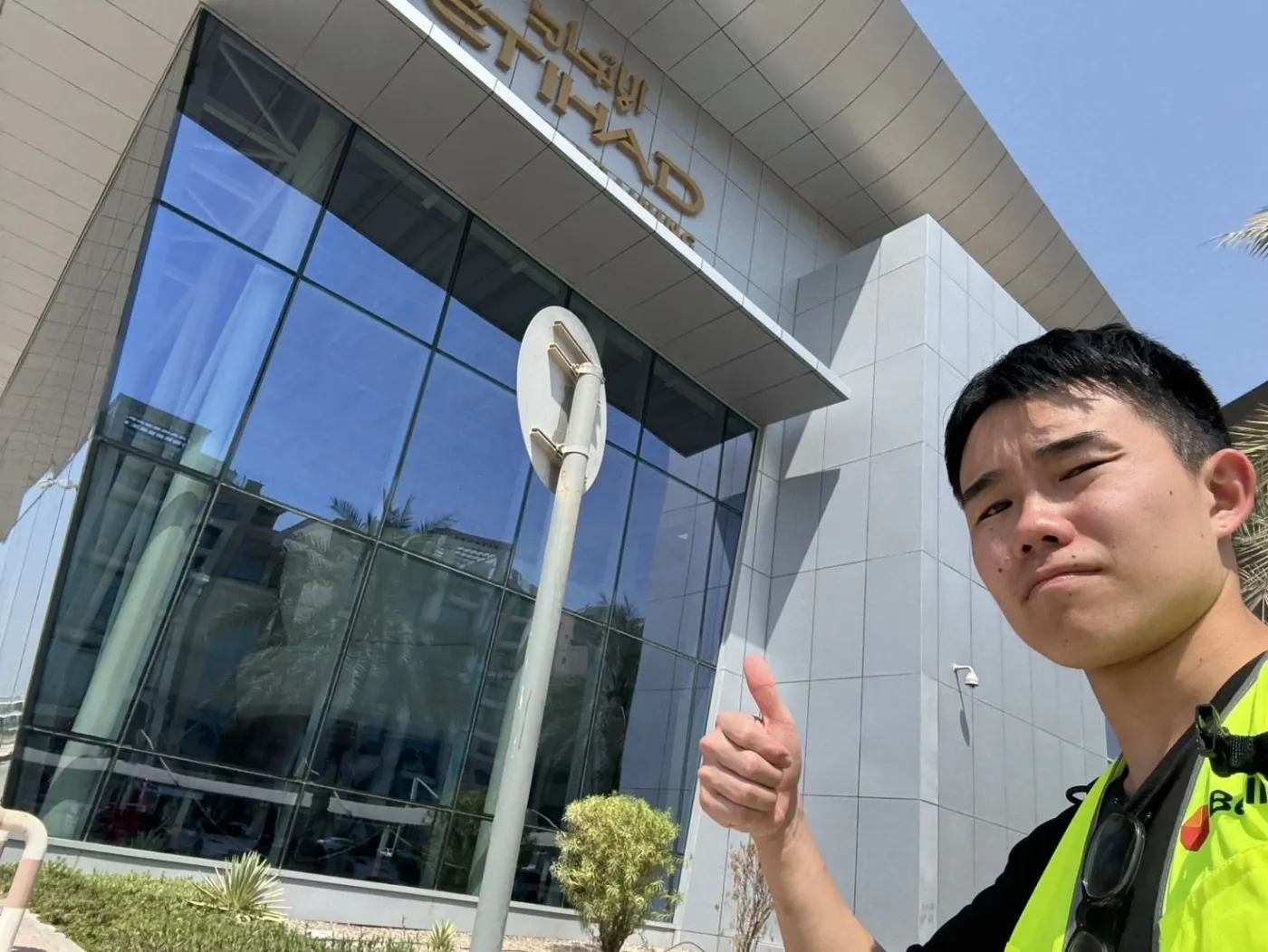
Where depends entirely on which airline needs someone. Kuala Lumpur, Jakarta, Abu Dhabi and Bangkok come up most. One associate worked with airlines in Morocco, Panama, Peru, Spain, Latvia and the Philippines across a single programme. Two others were working out of the Etihad and Emirates offices by their third month. Tell us early if you would rather stay in Singapore, which is a fine answer and a better one than finding out in week three.
A day in the life, filmed by an associate
Andy was an associate product engineer and made this about working here. Nobody from marketing was involved, which is the reason it is worth watching. There is more of the same on Instagram and TikTok, most of it filmed on the way through an airport.
An associate product engineer on life at Belli
This post is hosted on LinkedIn, which sets its own cookies when it loads.


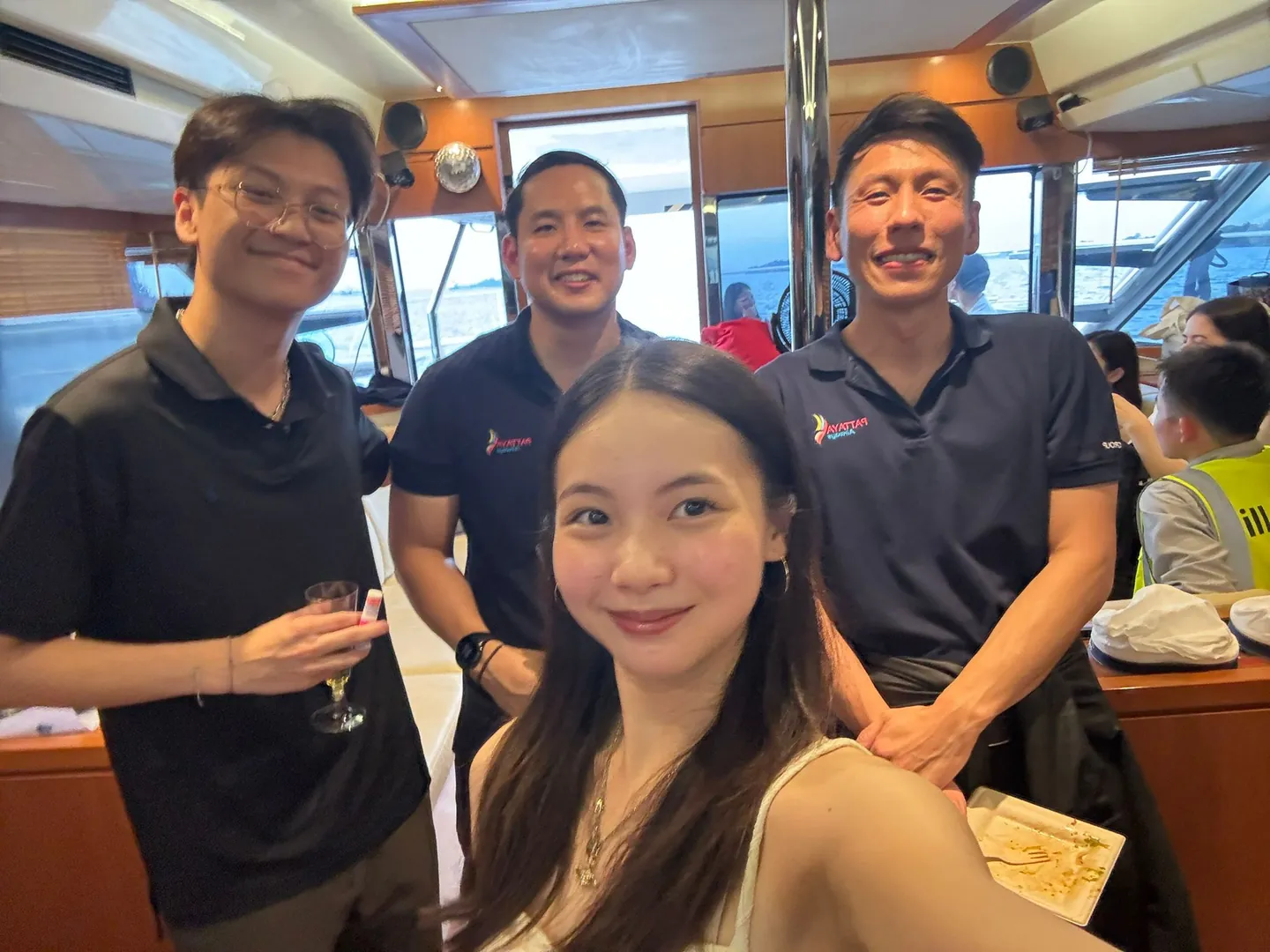
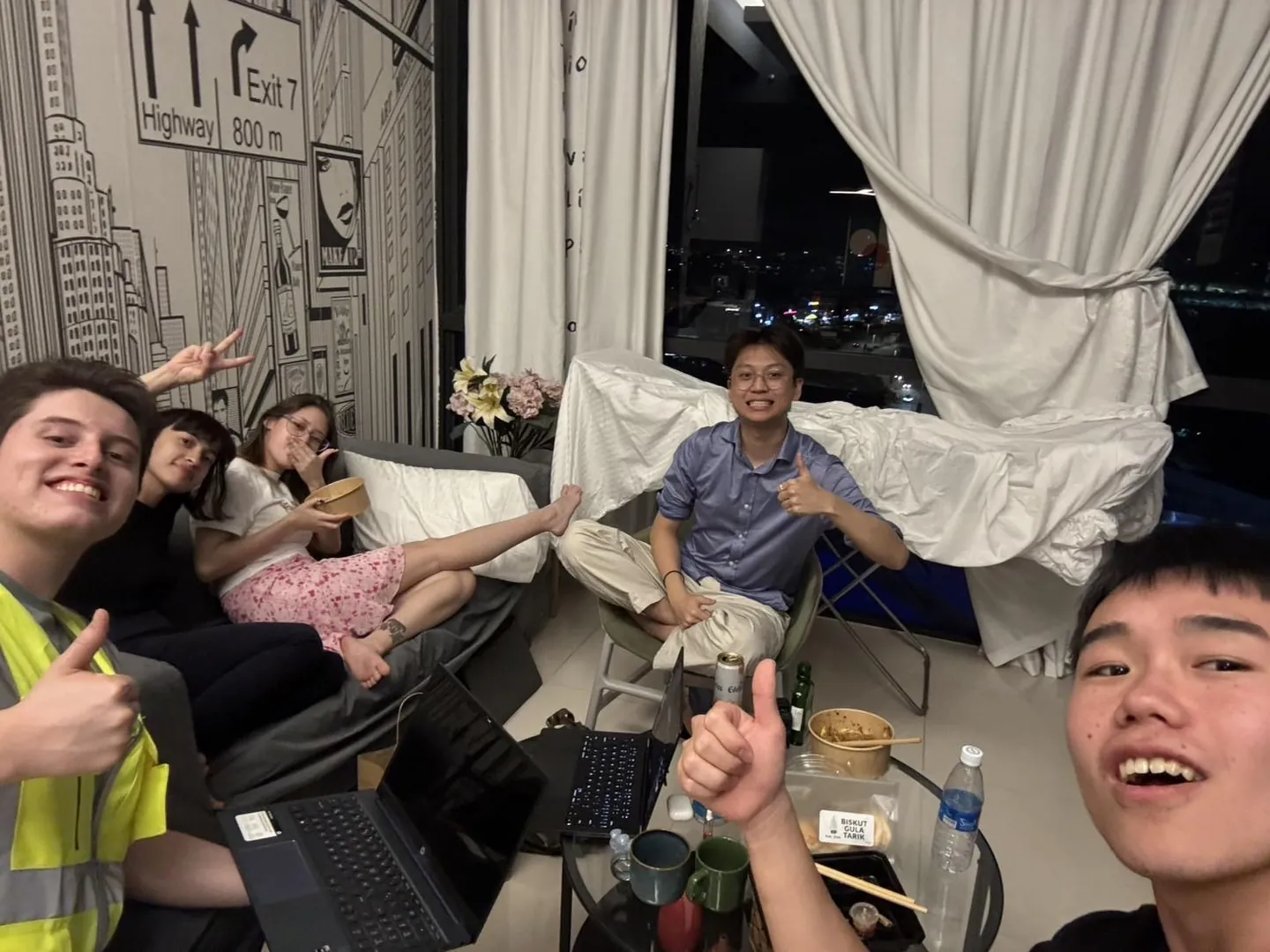
Former associates, in their own words
“What surprised me the most during my first few weeks at Belli was the level of ownership they give you right from the start. While this comes with a little more responsibility and stress compared to other entry-level roles, from a learning perspective it is arguably one of the best opportunities you can get.”
“What I like about Belli is how quickly we associates get to take on responsibility across different areas. I am also spending some time in Kuala Lumpur, onboarding the Ground Operations Team at the terminal. Being on site shows me how our product is actually used in practice.”
Practical questions
- Is it paid, and what happens at the end?
- It is paid, and we will talk about what that looks like in the first call. The best case is that we offer you a permanent full-time role, which is the outcome the whole programme is built around. The worst case is a set of skills that transfer to any technical startup and a few months living in Singapore.
- Where would I live?
- Book through NUS. Every associate who did not get NUS housing has regretted it. If you miss out, share a condominium with other associates or look at a co-living space.
- Can I start earlier?
- Yes and we encourage it. You can work remotely at 25% to 50% capacity before you arrive, which is a real head start on the technical learning curve.
- How long is the programme?
- Up to you. We work backwards from your class and personal commitments, so check what your school's exchange programme allows before you write to us.
- Does the start date matter?
- More than people expect. Arriving with the rest of the cohort is a real advantage, so if you are going to be late, say so in your first email.
- What about the visa and a laptop?
- The Singapore process is straightforward and NUS handles most of it. Bring your own laptop if you can, and we will usually have a spare in the office if yours is struggling.
Apply for the associate programme
Pick the city you want to work from in the form. Applications are read as they arrive, and we reply to the email address you give us.
Associate programme application
The application form is hosted by Google, which sets its own cookies when it loads. It takes around two minutes.
Or open it on Google Forms, or write to careers@belli.ai.